First-Time Chicken Keeper? Start Here
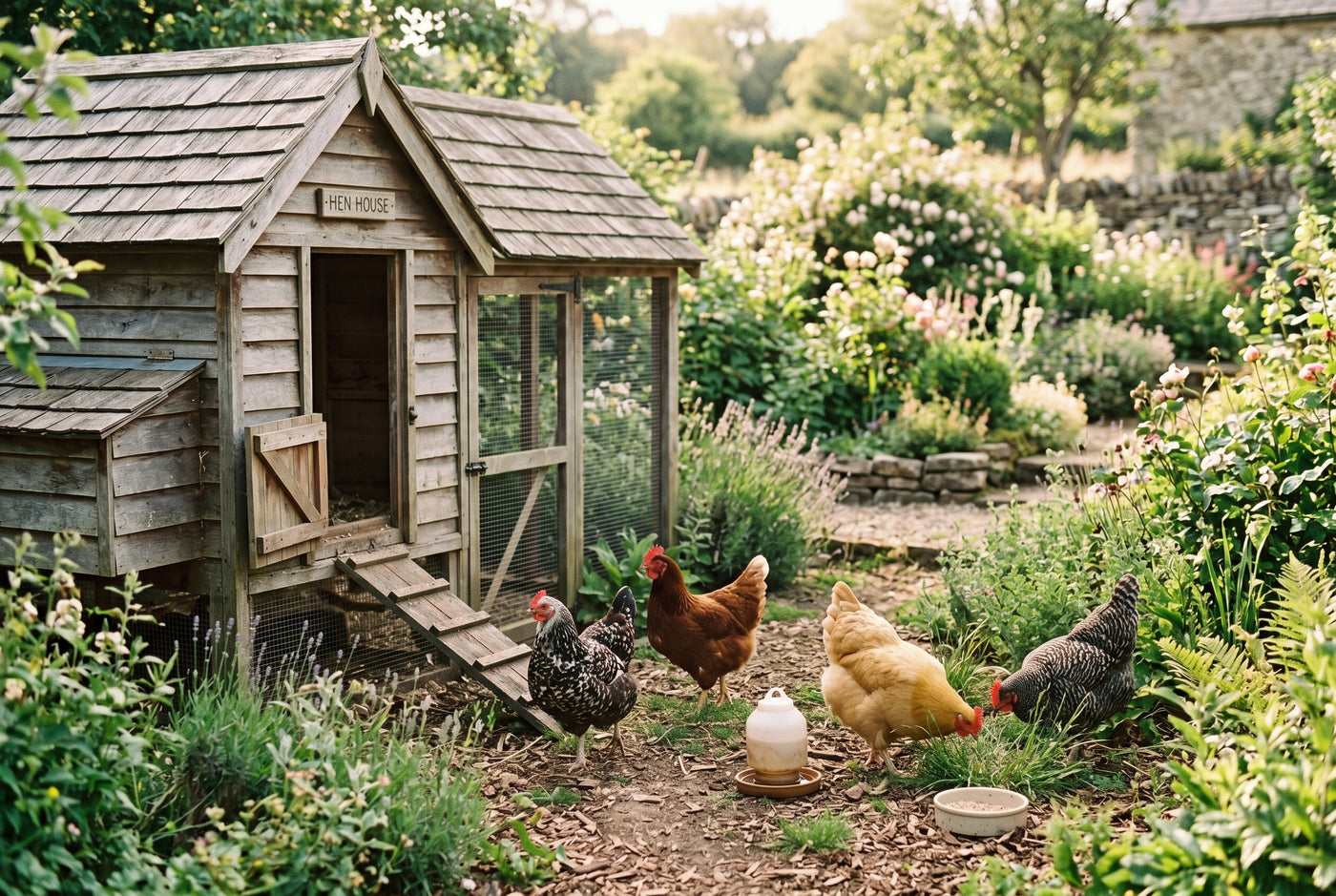
Everything a first-time flock owner needs before the chicks arrive: rules, space, the right coop, and a simple routine.
Keeping backyard chickens is one of the most rewarding animal projects you can take on. Fresh eggs, natural pest control, and genuinely entertaining birds are all within reach. It is also easier to start well than to fix a rushed setup later, so here is what to sort out before the chicks arrive.
Before you buy a single bird
Check your local rules first. Many towns allow backyard hens but limit the number, ban roosters, or set distance requirements from property lines. A five minute check with your city or homeowners association now saves a painful surprise later. Then be honest about time. Chickens need a few minutes every morning and evening, plus a longer clean once a week.
How many hens
Chickens are flock animals and do best in groups of at least three. For a household that wants eggs, three to five hens is a comfortable starting flock and will usually keep a family in eggs through the laying season. Start smaller than you think. It is easy to add birds later.
Choosing a coop
The coop is the heart of the setup, and getting it right matters more than any other purchase. Look for:
- Space. Plan for about three to four square feet of coop floor per standard hen, plus eight to ten square feet each in the run. Crowded birds get stressed and peck at each other.
- Ventilation. Chickens give off a lot of moisture. Vents up high keep the air fresh without creating a cold draft at roost level.
- Predator proofing. Raccoons, foxes, hawks, and neighborhood dogs all want your flock. Look for secure latches, a covered run, and hardware cloth rather than flimsy chicken wire on any opening.
- Nesting boxes. One box for every three to four hens, tucked in a darker, quiet corner where they feel safe laying.
- A roost. Hens sleep up off the ground on a bar. A simple raised roost keeps them comfortable and clean.
The starter gear checklist
- A feeder and a waterer sized for your flock
- Quality feed for the right life stage, starter for chicks, layer feed once they mature
- Bedding such as pine shavings for the coop floor and nesting boxes
- Grit and a source of calcium like crushed oyster shell for laying hens
A simple daily and weekly routine
Each morning, open the coop, refresh food and water, and do a quick health glance at the flock. Each evening, collect eggs and close the coop up securely against predators. Once a week, refresh the bedding and scrub the waterer. Every few months, do a deeper clean of the coop. That is genuinely most of it.
Common first-timer mistakes
The big ones are buying a coop that is labeled for more birds than it truly fits, underestimating predators, and letting the run get muddy and cramped. Give your birds more space than the minimum, lock up tight at night, and keep things dry, and your first flock will thrive.
When you are ready to build the setup, our backyard collection has coops and runs sized and secured for real flocks, not just for a photo.
More from Wrenwood Notes

Join the Pack
Get 10% off your first order, plus care tips and early access to new arrivals.
Get 10% off